






































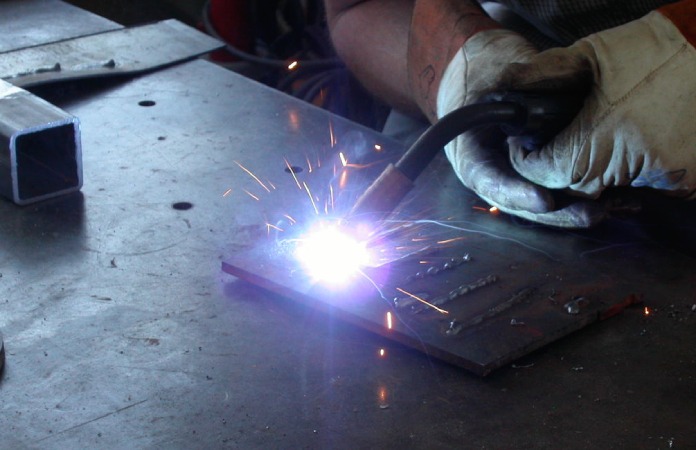
Welding isn’t just sparks flying and metal melting. It’s serious work that builds real things—things that need to be strong, safe, and last a long time. Whether it’s a car frame, a metal gate, or something huge like a bridge, welding holds it all together. And when something that important is on the line, you can’t afford to mess around. That’s why the machine you use matters way more than most people think.
Why Your Welder Really Matters
There’s a big difference between just melting metal and actually doing a clean, solid weld. A cheap machine might heat things up enough to get a bead down, but it doesn’t mean the weld will hold. Weak welds can snap, crack, or even fall apart when weight or pressure is added. That’s not just annoying—it’s dangerous. If someone’s driving a car with bad welds, or climbing on a railing that wasn’t welded properly, things can go really wrong.
The truth is, even if the person doing the welding has solid skills, the machine still plays a huge role. A good welder gives smoother arcs, better control, and way fewer problems while working. A bad one? It’ll sputter, overheat, and make it way harder to get the job done right.
If there’s one thing to take seriously in welding, it’s the gear—especially the welder itself.
What Happens When You Go Cheap
Going for the cheapest option can sound smart when you’re just starting out. Some welders look pretty similar on the outside, and the low price might feel like a win. But cheap welders often come with a lot of hidden problems. They’re more likely to break down, run uneven power, or have trouble keeping a stable arc. That leads to frustration, wasted time, and work that doesn’t turn out right.
Some of them even overheat after just a short time, which means constant breaks just to let the machine cool down. Others don’t have enough power to handle thicker metals. That limits what you can do, and forces you to do more passes, which wastes even more time.
Instead of saving money, you end up spending more later—either fixing bad welds, buying a new machine sooner, or worse, fixing damage caused by a failed weld.
If you want to avoid all that, it makes sense to start with something reliable. For anyone looking to buy Kemppi welders, there are plenty of models that are made to handle both small and big jobs without all the fuss. They’re known for being strong, steady, and built to last—exactly what’s needed when the goal is real, solid work.
Good Gear Makes the Job Easier
Welding already takes focus. You’re working with heat, metal, and precision. When the machine works with you instead of against you, it makes a huge difference.
A quality welder gives a smooth start, doesn’t sputter, and keeps the arc stable the whole time. That means better control, better-looking welds, and less cleanup afterward. It also helps you learn faster. With junk equipment, it’s hard to tell if mistakes are your fault or the machine’s. But with a decent welder, you know exactly what’s going on—and that makes it easier to improve your skills.
Plus, some better models have features that make things way easier, like automatic settings that adjust the arc based on your input, or screens that help you set things just right. These might sound small, but when you’re working on a big project or trying to get clean results, those tools can save hours of frustration.
It’s Not Just About Looks
Sometimes people think the goal is to make a weld look nice and shiny. Sure, that helps, but the real goal is strength. A strong weld joins the metal together in a way that won’t crack under pressure. That comes from deep penetration, the right temperature, and steady technique. None of that’s possible if the machine can’t keep up.
Cheap machines might not have the power or control to get deep, solid welds. They might start off okay, but after a few minutes they can fade or jump around. That makes your welds uneven and weak. If those welds are holding something heavy or important, that’s a real problem.
When you use a trusted welder, you’re not just making your life easier—you’re also making sure whatever you build is safe and strong. That’s a big deal, whether it’s a go-kart frame or a steel fence for someone’s home.
How to Spot a Solid Machine
You don’t have to be an expert to tell the difference between a throwaway welder and a serious one. Here are a few signs that a machine is built for real work:
- Weight and build: Quality welders are usually heavier and more solid. They have better parts inside and better cooling systems.
- Reliable brand: Well-known brands with good reviews usually back up their machines with support and parts.
- Steady power: A good welder gives a stable arc without random flickers or drops.
- Easy settings: Machines that let you fine-tune your output (or have smart settings) make a big difference.
None of these features matter much on their own—but together, they make a machine that works right and lasts longer. If you’re doing jobs that need to be clean, strong, and safe, it’s worth getting something that won’t let you down halfway through.
Learning Is Easier with the Right Tools
For anyone learning to weld, bad gear can make everything feel way harder than it has to be. When every weld turns out messy, it’s easy to get discouraged. But sometimes the problem isn’t the person—it’s the machine. Good welders help you build real confidence. You can actually see the difference in the results, and you don’t spend as much time fixing little problems.
That’s one more reason not to go with the cheapest thing on the shelf. It’s not just about finishing a project—it’s about getting better at something that can be a real skill or even a career.
Not Worth the Risk
In welding, cutting corners with equipment can lead to more than just bad results—it can be risky. Faulty welds can break, equipment can overheat, and in some cases, people can get hurt. The price of a solid welder is tiny compared to the cost of a job gone wrong.
So even if you’re just getting into welding, or doing it for personal projects, don’t treat the machine like a side note. It’s the one thing you should never cheap out on.
What to Remember
Welding depends on two things: the person doing the work and the gear they’re using. If the gear isn’t up to the job, even the best welder will struggle. Cheap welders can break down, cause problems, and make learning way harder than it needs to be. Investing in a quality machine—especially something trusted like a Kemppi—is the best way to get better results, stay safe, and enjoy the process more.
Welding should feel solid, not stressful. With the right machine, it will.