

































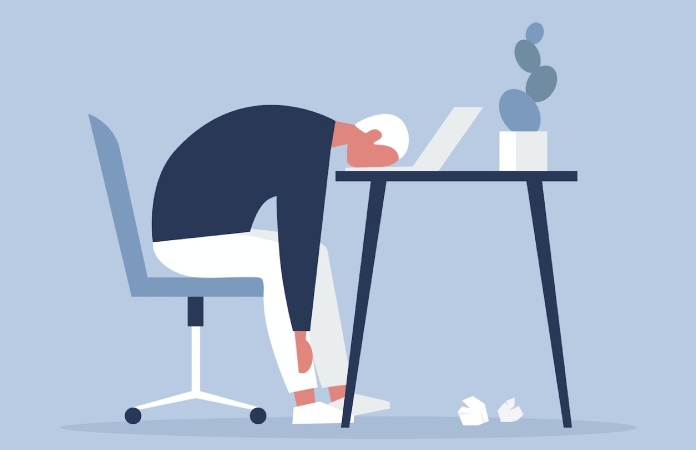
It’s easy to overlook the quiet signs of emotional burnout, fatigue disguised as disinterest, numbness mistaken for clarity, or passivity masked as peace. But when it comes to dating and relationships, unaddressed emotional exhaustion can quietly reshape how and why we choose our partners. Brandon Wade, Seeking.com founder and MIT graduate, understands how emotional well-being directly influences connections. Users are encouraged to date with intention, not to avoid. And that means acknowledging when emotional burnout is impacting more than just mood; it’s impacting decisions.
Emotional burnout doesn’t always look dramatic. Sometimes, it’s the slow dimming of motivation, the hesitation to engage, or the reflex to disconnect before something begins. In dating, those patterns can lead us away from meaningful connection, even when part of us craves it.
What Emotional Burnout Looks Like in Dating
Burnout isn’t just about work. It happens in the emotional space, too, especially after a series of draining or confusing dating experiences. If you find yourself swiping without interest, responding out of obligation, or avoiding vulnerability to “keep it easy,” you may not be interested in love. You may just be emotionally tired.
People experiencing burnout often make relationship choices that feel safer, less demanding, or more surface-level. They might lean toward emotionally unavailable partners to avoid expectations, or want excitement instead of stability, because depth feels overwhelming. It is structured to support intentional connection. It encourages members to check in with themselves, to pause and ask, “Am I emotionally ready to give and receive what I’m looking for?”
Settling for Less to Avoid Effort
When emotionally worn down, the bar often shifts. You may find yourself settling, not because you don’t know what you want, but because the idea of pursuing it feels exhausting. You stop asking important questions. You stop advocating for your values. Without realizing it, you lower your expectations to match your energy. It isn’t a sign of low standards. It’s a sign that your emotional bandwidth is depleted.
It helps filter out mismatches early, so users aren’t pouring energy into conversations that don’t align. That intentionality gives you space to reconnect with what you truly want and the energy to pursue it when you’re ready.
Mistaking Numbness for Confidence
Burnout often creates emotional flatness. You stop reacting as much. You may even confuse your detachment with confidence, thinking, “I’m just unbothered now,” when you’ve shut off to protect yourself.
This numbness can cause you to misread both your feelings and other people’s feelings. You might overlook someone kind because you’re not emotionally available. Or you might pursue something casual out of habit, not because it serves you.
Brandon Wade’s Seeking.com encourages daters to be emotionally present, not performative. The dating site fosters honesty with yourself as much as with others, so you can recognize when you’re emotionally ready to choose well again.
Avoiding Vulnerability, Even When It’s Safe
Emotional burnout makes vulnerability feel like a threat. If you’ve spent too much time emotionally giving without receiving, your nervous system learns to brace instead of trusting. Even when someone shows up with good intentions, it can feel easier to hold back than to open again. That guardedness can prevent genuine connection from forming, even when the match is right.
Finding a balance between being open and staying safe is part of this conscious approach. Many people find that using modern AI platforms helps them manage their social energy better. A site like https://www.chatalystar.com/ is a space where users can interact without the pressure of immediate, high-stakes meetings.
It helps you stay in control of your emotional output while still meeting new people in real life. Taking these small steps can make the process feel less like a chore and more like a natural part of your day.
Repeating Old Patterns Out of Emotional Habit
When you’re tired, you fall into habits, especially relational ones. You may return to familiar dynamics, even if they aren’t healthy, simply because they’re predictable. Burnout doesn’t just drain your energy. It clouds your discernment. You stop pausing to ask whether someone meets your standards. You start going through motions that once felt exciting but now feel hollow.
It gives users tools to break this cycle by offering filters and prompts that highlight emotional priorities. It’s not just about dating smarter. It’s about dating more consciously.
Confusing Intensity for Connection
Burned-out daters often feel emotionally disconnected, so when a new connection sparks intense emotion, it can feel like a lifeline. But intensity doesn’t always equal compatibility. In fact, emotional burnout can make you more susceptible to fast, high-stakes dynamics that are rooted in instability.
True connection requires steadiness and clarity, which can only be returned once you’ve taken time to rest and recalibrate. It emphasizes relationships that start with purpose, not urgency. That slow, steady pace helps users reconnect with what healthy love feels like.
Hesitating to Set Boundaries
When you’re running on low emotional fuel, setting boundaries can feel like one more thing to do. You may ignore red flags because addressing them feels too heavy. Or you might let small issues slide until they build into larger conflicts.
This boundary erosion can leave you feeling resentful, confused, or disconnected, and often makes dating feel more draining than it needs to be. It encourages users to define their needs upfront. It reduces emotional labor and also invites a connection that feels aligned from the start.
Burnout Doesn’t Mean You’re Not Ready, it Means You Need Space
It’s tempting to view burnout as a sign that love isn’t meant for you, or that you’re not “cut out” for dating. But emotional exhaustion doesn’t mean you’re broken; it means you’ve been carrying too much for too long. The solution isn’t to give up. It’s time to step back, reset, and return with renewed energy and clarity.
That is where it is. It’s a dating site that allows for intentional pacing. Whether you’re exploring or stepping back after resting, you’re encouraged to move at your own pace.
Taking Care of Yourself Changes Who You Choose
Once you begin to address burnout, through rest, therapy, reflection or simply time off, your choices begin to shift. You’re less drawn to chaos. You’re more sensitive to sincerity. You don’t need a spark to feel worthy, and you don’t need to tolerate confusion to feel connected. You begin to date from a place of readiness, not recovery.
The dating site was designed for people who understand this shift. Its community is filled with users who value emotional clarity, mutual respect and aligned intentions, people who aren’t dating to fix themselves, but to meet someone equally whole.
The Best Choices Come from a Full Cup
Emotional burnout distorts perception. It makes dating feel heavier than it is. But once you restore your sense of self, your choices change, not because others change, but because you do. You start choosing people who reflect the care you’ve already shown yourself.
It remains one of the few dating sites where that kind of clarity is baked into the culture. It’s not about perfect profiles or constant activity. It’s about dating when you’re ready and resting when you’re not, because sometimes, the healthiest relationship choice is the one you make with yourself first.