



































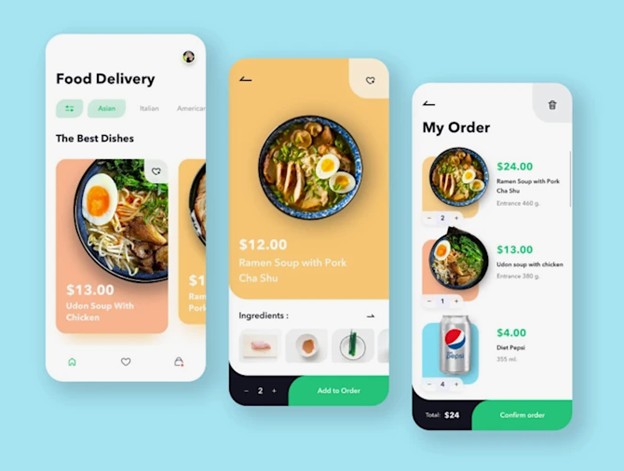
Food delivery apps are operating very differently compared to just a few years ago. Behind every accurate recommendation, on-time delivery, and optimized route, there is artificial intelligence analyzing massive amounts of data.
From predicting demand to optimizing supply chains and automating customer support, AI is changing how food delivery apps operate. Businesses that adopt these technologies are seeing faster growth and better efficiency.
Let’s look at what is actually changing this year and how it is shaping the future of food delivery app development.
1. Smarter Quality Control and Order Accuracy
Food safety and order accuracy are critical for any delivery business. One wrong order or damaged package can lead to refunds, bad reviews, and lost customers. In the past, quality checks depended mostly on human inspection. However, humans can miss small details, especially during peak hours.
Now, AI-powered computer vision systems scan packaging and meals before dispatch. These systems can detect damaged boxes, missing items, or incorrect packaging in seconds. They do not get tired, and they work consistently.
For example, companies like DoorDash use AI-based image recognition to flag packaging damage or incomplete orders before delivery. This reduces complaints and improves customer trust.
2. AI-Driven Demand Forecasting
One of the biggest challenges in the food delivery business is predicting demand. Too much preparation leads to waste. Too little preparation leads to delays and unhappy customers.
AI-driven demand forecasting solves this problem by analyzing past orders, weather patterns, time of day, local events, and even seasonal trends. It studies multiple data points at once and finds patterns that humans cannot easily detect.
Uber Eats, for example, uses predictive models to prepare for demand surges in specific areas. If there is a sports event or heavy rain, the system adjusts delivery partner allocation and kitchen preparation in advance.
As a result, restaurants reduce waste and improve delivery speed. Demand forecasting has become a must-have feature in food delivery app development.
3. Personalized Food Recommendations
Customers expect personalized experiences. They want apps to remember what they like and suggest meals that match their taste.
An AI recommendation engine incorporated by an expert food delivery app development company studies order history, spending behavior, dietary preferences, and even ordering time patterns. If someone orders healthy meals on weekdays and fast food on weekends, the app learns that behavior.
This increases average order value and improves customer retention. McDonald’s uses AI-driven menu personalization to adjust digital menus based on time, weather, and popular trends.
In 2026, personalization is no longer optional. Food delivery apps that fail to offer tailored suggestions risk losing users to competitors who do.
4. Smart Kitchen Automation
Efficiency in the kitchen directly impacts delivery time. It’s self-explanatory that manual processes can create delays and inconsistencies. However, AI-powered automation improves speed and accuracy.
From automated dough preparation to portion control and ingredient dispensing, AI ensures consistency across outlets. It also predicts equipment maintenance needs before breakdowns happen.
Domino’s uses automated systems to standardize food preparation across locations. This reduces preparation time and ensures consistent product quality.
As competition increases, more brands are turning to smart automation to improve performance and reduce costs.
5. Real-Time Food Safety and Compliance Monitoring
Food safety regulations are strict and critical. And violations of food safety regulations due to a so-called company’s mishap can severely damage a brand’s reputation. In 2026, AI and IoT systems monitor food safety in real time.
Sensors track temperature during storage and delivery. If temperatures drop below safe levels, alerts are triggered immediately. This helps prevent contamination and regulatory penalties.
Platforms like Just Eat Takeaway use AI-powered monitoring systems to track kitchen conditions across partner restaurants. Problems are identified instantly rather than days later.
This shift toward proactive monitoring is helping food delivery apps build stronger trust with customers and regulators.
6. AI Chatbots and Virtual Ordering Assistants
Customer expectations for fast responses have increased. People want answers immediately, whether they are tracking an order or resolving a complaint.
AI-powered chatbots now handle everything from order placement, tracking, refunds, and recommendations without needing any human staff. They are available twenty-four hours a day and reduce customer support workload.
Domino’s virtual assistant allows customers to place orders using simple phrases. The system understands context and processes requests quickly.
So, conversational AI is improving user experience while lowering operational costs for food delivery platforms.
7. Dynamic Pricing and Smart Supply Chain Optimization
Demand for food delivery changes constantly. During peak hours, delivery partners are limited. During slow hours, orders drop.
Today, Artificial Intelligence adjusts delivery fees and promotional offers based on demand patterns. Yes, it sounds futuristic, but it’s happening today. Just like ride-hailing apps offer dynamic pricing based on traffic and demand, food delivery apps are doing the same. This balances supply and demand while maximizing efficiency. At the same time, AI optimizes supply chains by improving route planning and managing inventory levels.
Popular food delivery companies such as Deliveroo and Uber Eats use AI-based logistics systems to assign riders efficiently and reduce idle time. This improves delivery speed and lowers operational expenses.
Conclusion
AI in food delivery apps is no longer experimental. It is practical and essential for customer satisfaction. Be it smarter quality checks and demand forecasting to personalized recommendations and automated kitchens, AI is transforming every stage of the food delivery industry.
As customer expectations continue to rise, food delivery businesses must adopt intelligent systems to stay competitive. The question is no longer whether to use AI. The real question is how quickly you can integrate it into your food delivery strategy.