


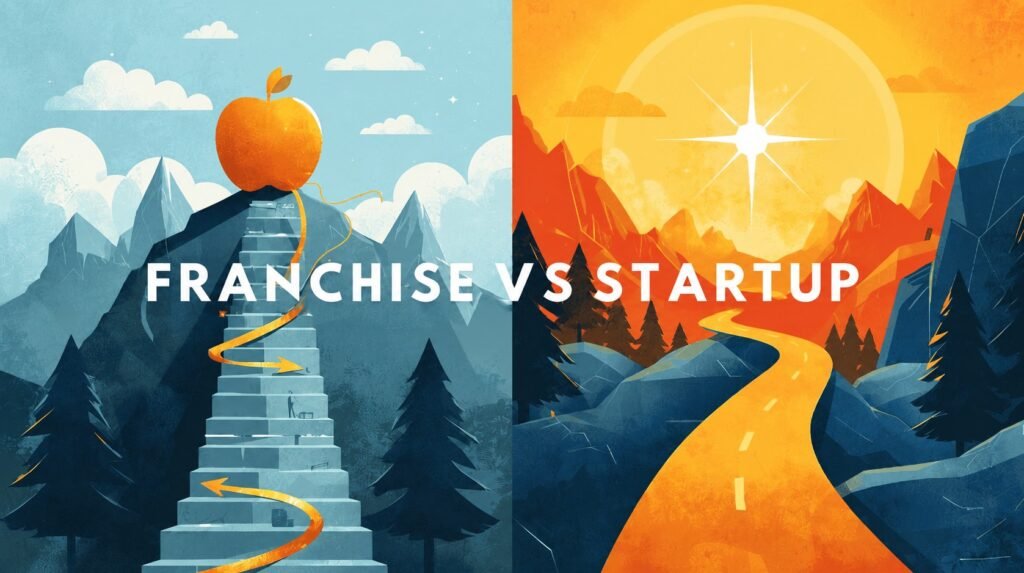
Starting a business is an exciting opportunity, but deciding how to begin can be challenging. Two popular routes are buying a franchise or launching an independent business from scratch. Both options can lead to long-term success, but they involve different levels of risk, investment, freedom, and responsibility. Understanding the differences between franchising and starting your own business can help aspiring entrepreneurs choose the path that best matches their goals, experience, and financial circumstances.
Understanding How The Franchise Model Actually Works
A franchise allows an entrepreneur to operate a business using an established company’s brand, products, services, and business model. The franchisee usually pays an initial fee and ongoing royalties in return for support from the franchisor. This support may include training, marketing assistance, operational guidance, and access to established suppliers. One of the biggest advantages of franchising is that entrepreneurs do not have to build a brand from the ground up. Customers may already recognise and trust the franchise, potentially making it easier to attract business.
However, franchising also comes with restrictions. Franchisees are generally required to follow specific operating procedures and brand standards. They may have limited control over pricing, suppliers, marketing strategies, and other important decisions. Ongoing fees can also reduce profit margins. Therefore, franchising can be appealing to entrepreneurs who value structure and support but may not suit someone who wants complete independence.
How Starting Your Own Business Is Totally Different
When considering a franchise vs starting your own business, independence is one of the most significant differences. An independent business owner develops their own brand, creates their own business model, chooses suppliers, establishes pricing, and decides how the company should operate. This freedom allows entrepreneurs to create something that reflects their personal vision and respond quickly to changing customer needs.
The downside is that the owner must develop everything independently. This can include researching the market, creating a brand, developing products or services, finding customers, establishing operational systems, and building a reputation. There is often no established customer base or proven business model to rely on. Although the potential rewards can be substantial, the entrepreneur also carries greater responsibility for making the business successful.
Overall Risk and Investment Comparison To Both Options
One of the most important things to consider when starting a new venture is the financial considerations, which are another important factor when choosing between the two completely different business models. As a franchise opportunity may require a significant initial investment, the entrepreneur benefits from an established concept and support network, so you can focus all your efforts on making the franchise business profitable, potentially saving you huge amounts of capital in the grand scheme of things. An independent startup, on the other hand, may have lower initial costs in some industries, although expenses can quickly increase as the owner invests in branding, marketing, technology, staff, and product development and also learns from many costly mistakes that new business owners tend to make. At the end of the day, we are human. We all make mistakes we learn from eventually.
Risk also varies depending on the industry and business model. A franchise provides a framework that is consistent and will often reduce some of the uncertainty associated with launching a new company from scratch without the backing of an experienced network of existing entrepreneurs, but it also cannot guarantee success as success or failure is usually primarily down to the franchisee. In contrast, an independent business carries the challenge of brand building, yet it gives truly total autonomy over how the company responds to potential growth opportunities and inevitable setbacks associated with launching a new business in the early startup stage.
How To Decide Which Option Would Suit You
The right choice depends largely on an entrepreneur’s personality, business and industry experience, financial situation, future ambitions, as well as the potential investors’ risk tolerance all play a huge part in making the right choice. Someone who prefers guidance, an established brand, and a structured operating model may find franchising attractive. On the other hand, an entrepreneur who values creativity, flexibility, and complete control may prefer starting an independent business to getting the true feel that you are only working for yourself and all profits go in your pocket, unlike traditional franchises for sale which do induce monthly or quarterly royalty fees.
Closing Remarks
Both franchising and starting your own business offer an exciting path to entrepreneurship, but they both provide very different risk tolerances. As franchising offers an established brand, proven systems, and ongoing support, you can capitalize on, while conversely, an independent startup provides greater freedom and control over the businesses day-to-day operations, pricing structure and strategic decisions an owner needs to make. Neither approach is automatically better than the other, as each option has its fair share of advantages and pitfalls. The best option weighs heavily on the entrepreneur’s goals, resources, appetite for risk, and preferred level of independence.